Owning an old car can be both a blessing and a burden. On one hand, it may carry sentimental value, and on the other, it often comes with frequent repairs, rising maintenance costs, and the constant worry of breaking down at the worst possible time. If you’ve been asking yourself whether it’s better to repair your old car or junk it, you are not alone. Many car owners face this dilemma, especially in urban areas where space, cost, and reliability are major considerations.
At Cash for Junk Cars, we help car owners across New Jersey make this decision easier. Whether your vehicle is barely holding together or has sentimental value, understanding the pros and cons of repairing versus junking can save you time, money, and stress. This article explores both options, offering insights into financial, practical, and emotional factors to help you make the right choice.
The True Cost of Repairing an Old Car
Repairing an old car can seem appealing, but the costs often add up quickly. Depending on the age, mileage, and condition of the vehicle, repairs can range from minor fixes to major overhauls.
Frequent Repairs and Maintenance
As vehicles age, they become more prone to breakdowns and require more frequent maintenance. Components such as the engine, transmission, brakes, and suspension may wear out over time. For instance, a car that is over a decade old might need repeated work on the cooling system, fuel lines, or electrical components. The cumulative cost of these repairs can sometimes exceed the market value of the vehicle.
Unexpected Expenses
One of the challenges of repairing an old car is unpredictability. A minor repair can often reveal more serious issues. For example, replacing a belt may expose deeper problems with the timing system, or fixing a leak might uncover damage to the engine block. These hidden costs make repairing an old car a risky financial decision.
Insurance and Registration Costs
While older vehicles often have lower insurance premiums, repair costs can quickly outweigh those savings. Additionally, some vehicles face higher registration fees if they fail emissions tests or require inspections to remain legal for the road. Repairing an old car may involve balancing these hidden costs against potential benefits.
Emotional Considerations of Repairing a Vehicle
Financials aside, emotional attachment can heavily influence the decision to repair an old car. Many owners feel a strong personal connection to their vehicles—whether it’s their first car, a family car, or a classic that carries memories. Repairing the vehicle preserves familiarity and comfort, which can be a significant factor in choosing to invest in repairs.
Sentimental Attachments
Sentimental value can be difficult to quantify. For some, the car represents milestones in their life, such as a first job, a memorable road trip, or time spent with family. Repairing the car allows these memories to continue, maintaining the emotional bond between the owner and the vehicle.
Pride in Maintenance
Car enthusiasts often take pride in keeping older vehicles in running condition. Regular repairs and maintenance can become a hobby, a point of pride, or even a lifestyle choice. For these owners, repairing an old car is about more than functionality—it’s a reflection of care, expertise, and love for the vehicle.
When Does Repairing an Old Car Make Sense?
Repairing an old car may be the right choice if certain conditions are met:
- The vehicle holds high sentimental or emotional value.
- Required repairs are minor or cost-effective compared to the car’s value.
- The car has a strong reliability record and no recurring major issues.
- The owner enjoys maintaining the vehicle and can perform some repairs themselves.
When these factors align, repairing an old car can be both financially and emotionally rewarding.
Also Read: Repairing an Old Car vs Junking It
The True Costs and Benefits of Junking a Car
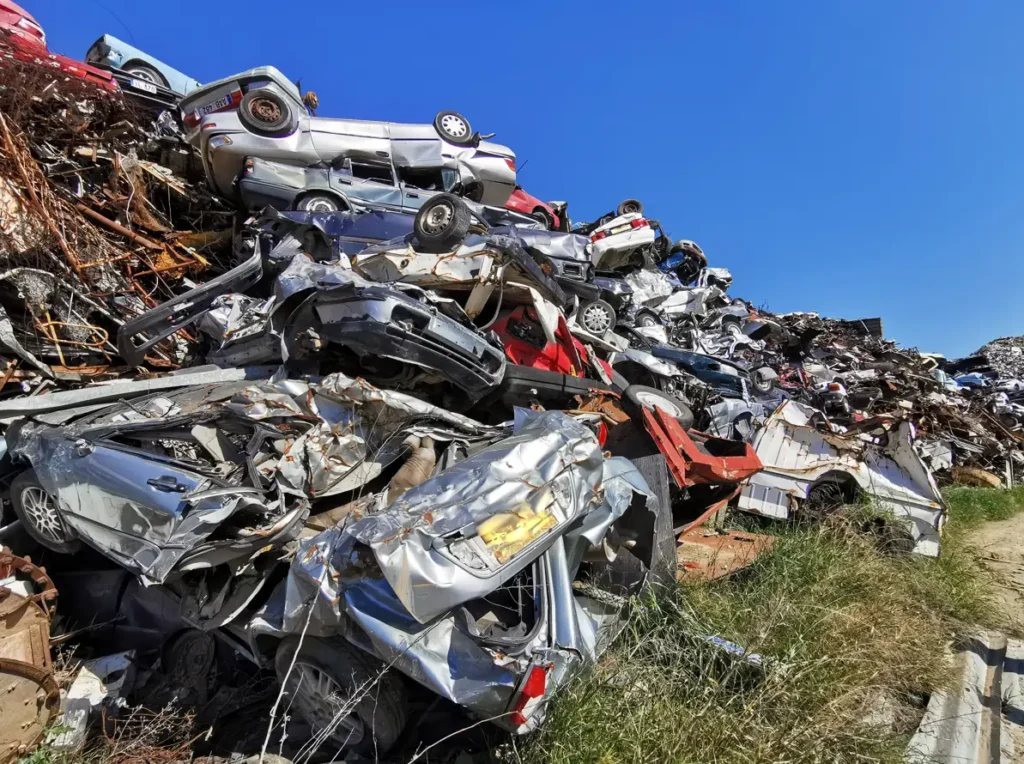
Junking a car involves selling it to a licensed junkyard or salvage company, often for parts or scrap metal. This option eliminates ongoing repair costs and provides an immediate financial return. For many car owners, junking is a practical and stress-free solution.
Immediate Cash and Convenience
One of the biggest advantages of junking is instant cash. Licensed junkyards, like Cash for Junk Cars, evaluate vehicles based on weight, salvageable parts, and market demand. Even cars in poor condition can provide a reasonable payout. The process is quick and convenient, with many junkyards offering free towing for vehicles that no longer run.
Eliminating Ongoing Expenses
Junking a vehicle removes recurring costs such as repairs, insurance, registration, and unexpected breakdowns. For cars with chronic issues, junking provides financial relief and peace of mind, allowing owners to invest in a newer, more reliable vehicle.
Environmental Responsibility
Junking a vehicle responsibly ensures proper disposal of hazardous fluids, such as motor oil, brake fluid, and coolant. Additionally, metals and parts are recycled, reducing environmental impact. Choosing a licensed junkyard guarantees that your old car is handled safely and sustainably.
Practical Advantages of Junking an Old Car
Beyond immediate cash and environmental benefits, junking offers several practical advantages:
Freeing Up Space
Old, non-operational vehicles take up valuable space in driveways, garages, or urban parking areas. Junking the car frees up room for other vehicles, storage, or personal projects.
Improved Safety
Aging vehicles may have worn brakes, malfunctioning airbags, or outdated safety features. Removing a potentially dangerous vehicle from the road reduces the risk of accidents and liability.
Convenience and Stress Reduction
Professional junkyards handle towing, paperwork, and title transfers, making the process seamless. Owners avoid the hassle of dealing with repairs, insurance, or ongoing maintenance.
When is Junking the Better Choice?
Junking is often the more practical choice under these conditions:
- The car requires expensive or repeated repairs.
- Safety concerns make the vehicle unreliable.
- The vehicle has minimal resale or trade-in value.
- Owners want to avoid future stress and financial strain.
For many drivers, junking provides peace of mind and a practical way to move on from a problematic vehicle.
Comparing Repairing vs Junking: A Financial Perspective
Financial factors are central to deciding whether to repair or junk an old car.
Cost-Benefit Analysis
Repairing an old car only makes sense if the cost of repairs is less than the vehicle’s value or potential resale price. Junking may be more profitable if repair costs exceed the car’s worth, turning ongoing expenses into immediate cash.
Hidden Costs
Repairing an old car often involves unpredictable costs. Junking eliminates these uncertainties and provides a clear, immediate outcome.
Future Value Considerations
Junking might offer a lower immediate payout than selling a functioning vehicle, but it removes the financial risk of future breakdowns and repairs. Many owners value this stability over potential short-term profits.
Vehicle Age and Condition: Key Decision Factors
The age and condition of the vehicle significantly influence whether repairing or junking is appropriate.
Mileage and Engine Health
High-mileage cars are more likely to experience major failures, including engine or transmission issues. While repairs may extend short-term use, they often do not guarantee long-term reliability.
Body Damage and Corrosion
Rust and structural damage can compromise safety. Extensive bodywork costs often make junking a more cost-effective solution than repairing.
Environmental and Ethical Considerations
Environmental responsibility plays a role in both decisions. Repairing a car extends its life and reduces demand for new materials, but junking ensures proper recycling of metals and safe disposal of hazardous fluids.
Sustainable Junking
Licensed junkyards adhere to environmental regulations, recycling metals, plastics, and rubber while safely managing chemicals. Junking an old vehicle responsibly contributes to sustainability and reduces pollution.
Emotional Considerations
Emotional attachment can make the decision difficult. Sentiment and nostalgia may encourage repair, but practical considerations should guide the final choice.
Balancing Emotions and Practicality
While it’s natural to feel attached to a car, ongoing repairs, safety concerns, and financial strain often outweigh sentimental value. Balancing emotions with practicality ensures a decision that is both wise and responsible.
Tips for Making the Right Decision
- Compare repair costs to the car’s market value.
- Assess the safety, reliability, and maintenance needs.
- Consider environmental impact and responsible disposal.
- Factor in emotional attachment but prioritize practicality.
- Explore reputable junkyard options, like Cash for Junk Cars, for fair cash offers.
A thoughtful approach ensures that your decision is balanced, financially sound, and emotionally considerate.
Maximizing Value When Junking
If junking is the chosen path, there are ways to get the best return:
- Clean the vehicle and remove personal items.
- Gather all necessary documentation, including title and registration.
- Compare offers from multiple licensed junkyards.
- Highlight parts in good condition, such as batteries, tires, or electronics.
Even vehicles in poor condition can provide significant cash when sold to professional junkyards.
Repairing as an Investment
In some cases, repairing an old car can be seen as an investment. Classic or collectible vehicles may increase in value if maintained properly. For these owners, repairs are less about immediate practicality and more about long-term value preservation.
Conclusion
Deciding between repairing an old car and junking it requires careful consideration of financial, practical, and emotional factors. Repairing may be worthwhile for cars with sentimental value, manageable repair costs, or collectible potential. Junking, however, offers immediate cash, eliminates ongoing expenses, ensures safety, and allows for responsible recycling.
At Cash for Junk Cars, we specialize in helping vehicle owners make this choice simple and profitable. Whether your car is barely operational or completely non-functional, we provide expert evaluation, free towing, fair cash offers, and hassle-free title transfer. By choosing the right option, you can protect your finances, simplify your life, and make a decision that aligns with your values and needs.
For drivers in New Jersey looking for a stress-free way to handle their old vehicles, Cash for Junk Cars is your trusted partner in turning unwanted cars into cash while ensuring a safe, legal, and environmentally responsible process.